The Leak Is Rarely Where the Stain Is
A leak almost never announces itself at the leak. It shows up as a stain on a ceiling two rooms away, a warm patch of floor, a water bill that jumped for no reason, or a musty smell that won't go. By the time it's visible, water has usually been moving through the structure for a while. We find the source before anyone starts opening walls at random.
What We Actually Look For
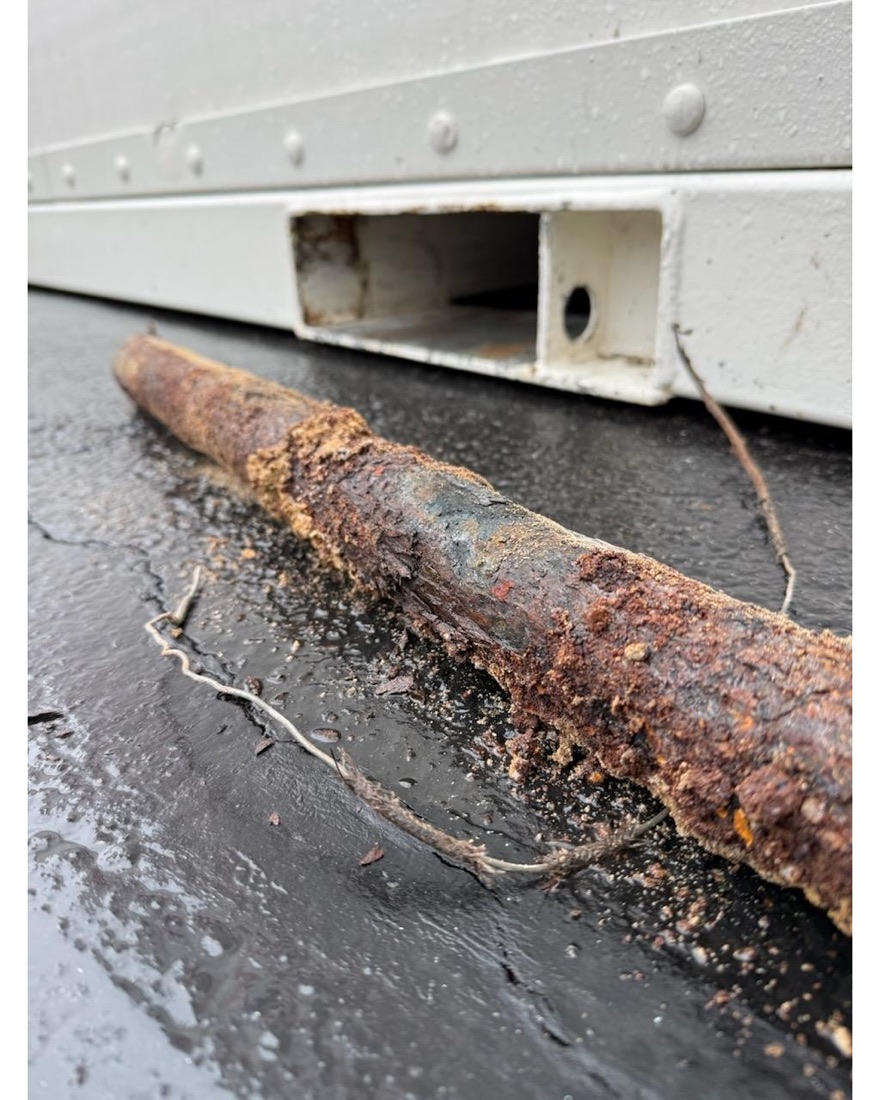
Pinhole leaks in copper, failed shut-off valves and supply lines, leaking hose bibs, slab leaks under concrete, and leaks behind fixtures are all the same job at heart: locate it precisely, then repair the smallest amount of house that gets it fixed properly. That means checking pressure, isolating sections, and looking where the water is actually coming from rather than where it happens to be showing up.
Why Small Leaks Cost the Most
Small leaks are the ones that cost the most, because they run for months. A pinhole on a water heater line or a slow drip inside a vanity does its damage quietly — cabinet rot, mold, ruined subfloor — long before anyone notices. If your bill moved and nothing else changed, that's worth a phone call.
What This Covers
- Pinhole leaks in copper & aging galvanized
- Supply line, shut-off valve & hose bib leaks
- Under-sink, vanity & fixture leaks
- Water heater & connection leaks
- Slab and under-concrete leak location
- Leak repair with the least demolition possible
Where We Offer Leak Detection & Repair
Available across the Fox Valley, western suburbs, and north suburbs — 24/7 for emergencies — in St. Charles, Geneva, Batavia, South Elgin, Elgin, West Chicago, Wheaton, Wayne, Campton Hills, North Aurora, Sugar Grove, Elburn, Carol Stream, Bartlett, Streamwood, Lincolnshire, Northbrook, Libertyville, Highland Park, Naperville, Aurora, Downers Grove, Glen Ellyn, Glendale Heights, Warrenville, Yorkville, Montgomery, Oswego, Hampshire, Gilberts, Sycamore, Hinckley, Bristol.
Leak Detection & Repair FAQs
How do you find a leak without tearing the house apart?
By narrowing it down before opening anything — isolating sections, checking pressure, and tracing the water back to its source. The goal is to open the smallest amount of wall or floor that gets the repair done properly.
My water bill jumped but I can't see a leak. Is that worth a call?
Yes, and it's one of the most common ways a leak first shows up. A bill that moves with no change in use usually means water is going somewhere — often a slab leak, a running toilet, or an underground supply line.
Do you handle slab leaks?
Yes. Leaks under concrete are located first, then repaired with the least concrete removal possible — and you see the location before anything is opened up.
Is a leak an emergency?
An active leak filling a room is — call the 24/7 line. A slow drip isn't, but it shouldn't wait weeks either, because slow leaks are the ones that quietly ruin cabinets, subfloor and drywall.
Key Takeaways
- Leaks usually show up somewhere other than their source — the stain is a symptom, not a location.
- A water bill that rises with no change in use is one of the earliest signs of a hidden leak.
- Locating precisely first means repairing the smallest amount of house possible.
- Slow leaks cause the most damage because they run for months before anyone notices.